
New Castle, Indiana
Sewage Backup Cleanup in New Castle
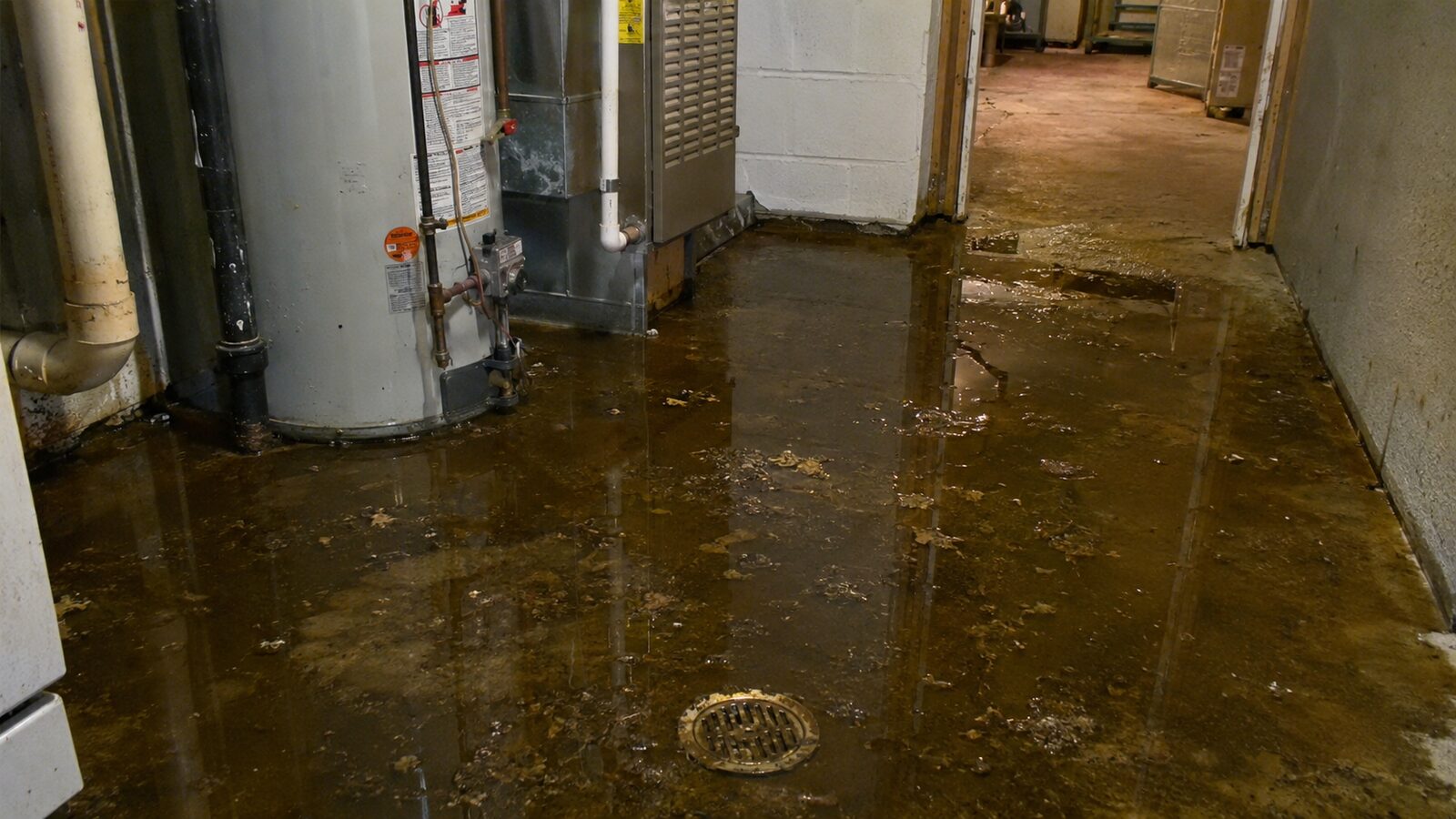
This is the one situation where the right first move is to stay out of the room. Sewage carries bacteria and other pathogens, and cleaning it is a containment job rather than a mopping job.
Why this water is treated differently
Water that has been through a drain line or a septic system is classed as grossly contaminated. It is not a question of how it looks or how much there is: a shallow backup across a bathroom floor gets the same handling as a deeper one in a basement. Porous material it touched generally leaves the building, and the area is cleaned and disinfected rather than simply dried.
How the cleanup is carried out
The affected area gets isolated first so foot traffic does not carry contamination through the rest of the building. Then waste and contaminated water are removed and disposed of properly, porous material comes out, and hard surfaces are cleaned and treated. Drying happens after cleaning, not before, because running air movers across a contaminated surface spreads what is on it.
What normally has to be removed
- Carpet and pad that the water reached, without exception.
- Drywall up to and above the water line where it wicked.
- Insulation behind that drywall.
- Particle board, laminate, and any cabinet base that absorbed water.
- Porous stored items in the affected area, sorted with you before disposal.
City lines and septic systems around New Castle
In town, backups usually show up during a long rain when the system is carrying more than usual and the lowest drain in a house becomes the relief point: often a basement floor drain or a shower on the lower level. On rural property the pattern is different. A septic field sitting in saturated ground cannot accept flow, so waste backs up toward the house, and the problem repeats every time the ground reaches that state until the field can drain again.
Where clean flood water was also involved, our flood cleanup page covers that side. If the backup filled a lower level, see flooded basement cleanup for how below-grade drying is handled afterward.
What to do before help arrives
- Keep people and pets out of the area, and do not walk through it and then through the rest of the house.
- Stop using water in the building: every flush, sink, and washing machine cycle adds to the backup.
- Do not run a household vacuum or fan in the room, and leave cleaning until the area is properly contained.
Our approach
Containment, removal, cleaning
Isolate the area
The affected space is contained before work starts so contamination is not tracked through the building.
Remove and dispose
Contaminated water and porous material are taken out and disposed of properly rather than cleaned in place.
Clean, then dry
Hard surfaces are cleaned and treated first, and only then does drying equipment go in and get monitored.
Drain backing up into the house?
Stop running water, keep everyone out of the room, and call 765-615-4599.
Sewage backup questions
Is it safe to stay in the house?
If the affected area can be closed off, the rest of the house is unaffected, and you have a working bathroom elsewhere, people often stay. When the backup is in a main living area, has spread through several rooms, or the only bathroom is out of use, staying elsewhere is safer. Anyone with a weakened immune system should keep well away regardless.
Can I clean it myself with bleach?
Bleach on a hard surface handles a small, fully visible spill. What it cannot do is address what soaked into carpet, drywall, or subfloor, and applying it to a porous material leaves the contamination in place under a clean-smelling surface. If the water reached anything absorbent, removal is the honest answer rather than disinfecting over it.
Our septic backs up every wet spring. Is cleanup all we can do?
Cleanup handles what came inside, but repeat backups point at the system or the drainage around it, which is work for a septic contractor. We can tell you what we observed, including how far the water reached and where it entered. Fixing the cause is what stops the cycle; we deal with the aftermath inside the building.